If you've ever felt like your home, garage, or office is running out of space, you're not alone. Millions of Americans rent storage units every year — not because they have too much stuff, but because life keeps changing: you move, downsize, renovate, start a business, go back to school, or simply accumulate things that matter but don't need to be underfoot every day.
Self storage gives you a secure, flexible, affordable way to reclaim your space without getting rid of things you're not ready to part with. This guide covers why people use storage, what to look for in a facility, and how to get the most out of your unit.
What Is Self Storage?
Self storage is a service where you rent a private unit at a secure facility to store your personal or business belongings. Unlike full-service storage — where a company picks up, stores, and delivers your items — self-storage puts you in control. You pack it, you access it, and you decide when you're done.
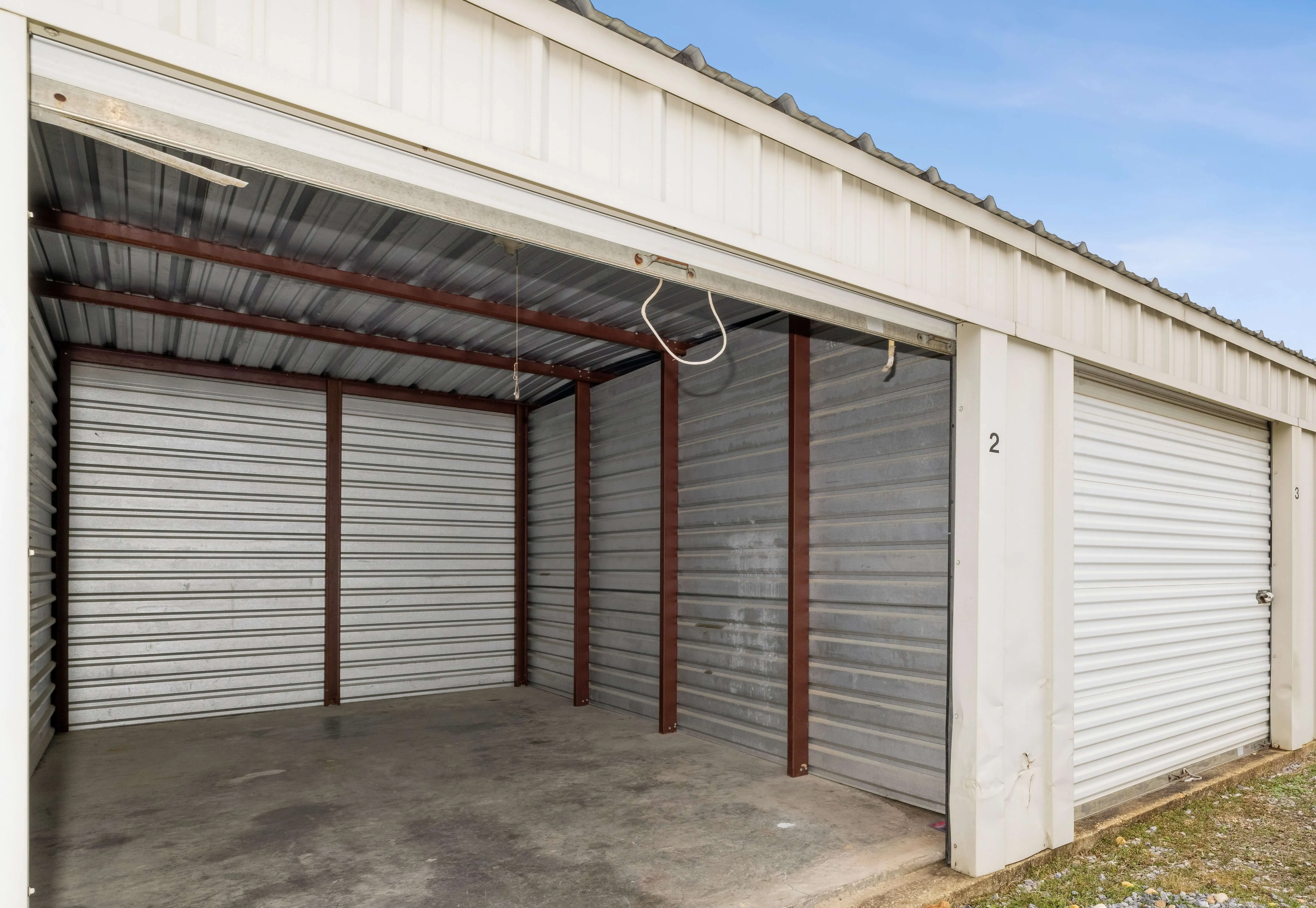
Units are available in a wide range of sizes, from a small 5x5 closet to a 10x20 garage-sized space, and most facilities offer month-to-month leases so you're never locked into a long-term commitment.
Learn more about how self-storage works.
9 Real Reasons People Use Self Storage
1. Moving or Transitioning Between Homes
Moving rarely goes smoothly. Closing dates don't always align, new places aren't always ready, and sometimes you need a few weeks between leases. A storage unit acts as a staging ground — a safe place for your furniture and boxes while you get settled without the pressure of unpacking everything at once.
It's also useful when you're moving long-distance and shipping items in stages, or when you want to move into a smaller space temporarily before committing to something permanent.
2. Decluttering Without Losing What Matters
Decluttering doesn't have to mean throwing everything away. Some things — furniture from a family member, baby gear you're saving, seasonal collections — are worth keeping even if they don't have a place in your current living space.
Self-storage lets you clear out your home without making permanent decisions under pressure. You create space now and deal with the rest on your own timeline.
3. Downsizing
Whether you're an empty nester, a retiree moving to a smaller home, or someone simplifying their lifestyle, downsizing often means your belongings don't fit your new space — at least not all at once. Storage gives you a transition period to figure out what stays, what goes, and what you want to pass on to family.
4. Home Renovations
Renovations are messy and unpredictable. Storing furniture, appliances, and valuables offsite during a remodel protects them from dust, paint, and damage — and gives contractors the room they need to work efficiently. A storage unit during a renovation is often cheaper than the cost of replacing damaged furniture.
Create a quick inventory list before you move items in so you always know what's stored and where.
5. Apartment and Small Space Living
City apartments and small homes don't come with much storage. A nearby storage unit effectively extends your living space — you keep seasonal items, sports gear, extra furniture, or holiday decorations offsite and swap them in and out as needed. It's a practical workaround for tight square footage without the cost of upgrading to a larger apartment.
6. Student Storage
College students face a storage gap every year: dorms close for the summer, study abroad programs require leaving for a semester, and off-campus apartments don't always have room for everything. A local storage unit near campus is a far cheaper and more practical solution than shipping everything home or paying for unused apartment space.
Bolt Storage has locations near major universities in New York and Virginia, including areas near Cornell, Ithaca College, and Virginia Tech.
7. Business Storage
Small businesses, contractors, freelancers, and e-commerce sellers all use storage units as a cost-effective alternative to commercial warehouse space. Common uses include storing inventory, equipment, tools, seasonal displays, documents, and marketing materials.
A 10x10 or 10x15 unit runs a fraction of the cost of even the smallest commercial lease — and with month-to-month flexibility, you're not tied in when your needs change.
8. Vehicle Storage
HOA restrictions, limited driveway space, and seasonal vehicles all create the same problem: where do you put it? Self-storage facilities offer outdoor, covered, and indoor options for cars, RVs, boats, motorcycles, trailers, and personal watercraft.
Learn more about RV and boat storage at Bolt Storage.
9. Life Transitions
Divorce, a loved one passing away, military deployment, extended travel, or caring for an aging parent — life changes that disrupt living arrangements almost always create a storage need. Having a secure, accessible place for belongings during difficult transitions removes one layer of stress from an already complicated situation.
What to Look for in a Storage Facility
Not all storage facilities are the same. Before you rent, here's what to evaluate:
Security is non-negotiable. Look for gated access with individual entry codes, 24/7 video surveillance, well-lit grounds, and personal lock requirements. A facility that takes security seriously will show it.
Cleanliness matters more than most people realize. A poorly maintained facility means pests, moisture, and damage risk. Visit before you rent if you can — or check recent reviews.
Flexible leasing is important unless you know exactly how long you'll need the space. Month-to-month contracts let you exit without penalties when your situation changes.
Location and access hours affect how useful the unit actually is. A facility that's inconvenient to reach or closes at 6pm may not fit your schedule. Look for extended hours or 24/7 gate access if you need flexibility.
Transparent pricing means no surprise fees. Ask about administrative fees, insurance requirements, late payment policies, and whether rates are locked in or subject to increases.
Customer service makes a real difference, especially if something goes wrong. A facility with responsive, helpful staff is worth paying a little more for.
Choosing the Right Unit Size
Picking the right size upfront saves money and frustration. Here's a quick reference:
Still unsure? Use our sizing guide or call your nearest location — we'll help you find the right fit.
Tips for Getting the Most Out of Your Storage Unit
Label everything. Boxes without labels become a guessing game six months later. Be specific — "Kitchen: pots and pans" beats "Kitchen stuff" every time.
Create an inventory list. A simple spreadsheet or notes app list of what's in your unit saves enormous time when you need to find something specific. Here's how to do it right.
Store smart, not just full. Put items you'll need to access frequently near the front. Stack heavier boxes on the bottom. Leave a walkway down the center so you can reach the back without moving everything.
Use vertical space. Shelving units are one of the best investments for a storage unit. They keep boxes organized, protect items from any floor moisture, and double your usable space.
Protect sensitive items. Wrap furniture in moving blankets, cover electronics, and use wardrobe boxes for hanging clothes. For anything susceptible to heat or humidity — wood, electronics, artwork, documents — consider a climate-controlled unit.
Don't store prohibited items. Food, flammables, wet items, and hazardous materials can void your lease and damage everything around them. See the full list of what not to store.
Why Choose Bolt Storage?
- 60+ locations across New York, Virginia, Ohio, Georgia, and more
- Month-to-month leases — no long-term contracts
- Rent online in under 5 minutes, move in the same day
- Gated access with 24/7 video surveillance
- Frequent move-in promotions including up to 75% off your first two months at select locations
- Friendly, responsive customer support
FAQ: Self-Storage Benefits and Uses
How much does a storage unit cost per month? It depends on size and location. Small units (5x5–5x10) typically run $30–$75/month. Mid-size units (10x10) average $80–$150/month. Larger units (10x20+) range from $150–$300+/month. Bolt Storage offers competitive rates with frequent move-in specials.
Is self-storage worth it? For most people, yes. The cost of a storage unit is typically far less than the alternatives — upgrading to a larger apartment, renting commercial space for a business, or replacing items you gave away prematurely. It also reduces stress during major life transitions.
How long can I rent a storage unit? As long as you need. Bolt Storage operates on month-to-month leases with no minimum commitment. Rent for a month or a year — the choice is yours.
Is my stuff safe in a storage unit? At a reputable facility, yes. Bolt Storage uses gated access, 24/7 surveillance cameras, and requires personal locks on every unit. We recommend adding storage insurance for additional peace of mind.
Can I access my unit anytime? Access hours vary by location. Many Bolt Storage facilities offer extended hours and some offer 24/7 gate access. Check your specific location when reserving.
What's the difference between climate-controlled and standard storage? Standard units work well for most items. Climate-controlled units maintain stable temperature and humidity — worth the extra cost if you're storing electronics, wood furniture, artwork, documents, or antiques. Learn more here.
Ready to find your unit? Browse Bolt Storage locations near you and reserve online in minutes — no paperwork, no hassle.
Find Storage Units Near You Up To 75% Off
Discover nearby storage units with up to 75% off at Bolt Storage. Affordable solutions for your storage needs. Find convenience without the high cost.
PRICE MATCH GUARANTEE
We will beat any price in town