.jpeg)
The national average cost to rent a storage unit in the U.S. is around $85 per month — but that number doesn't mean much on its own. What you actually pay depends on the size of the unit, where you live, whether you need climate control, and what promotions are available when you rent. This guide breaks all of it down so you know what to expect before you sign anything.
What Affects the Cost of a Storage Unit?
Four factors drive most of the price difference you'll see when comparing storage units.
Unit Size: The bigger the unit, the higher the monthly rent — though larger units tend to cost less per square foot than smaller ones. Size is the single biggest pricing factor, so getting the size right matters both for cost and usability.
Location: Storage prices follow the same logic as real estate. Urban areas and high-demand markets cost more than suburban or rural ones. A 10x10 unit might run $80/month in a mid-size town and $200–$400/month in a city like New York or San Francisco. If you don't need daily access, looking at facilities a few miles outside a major metro area can save you meaningful money.
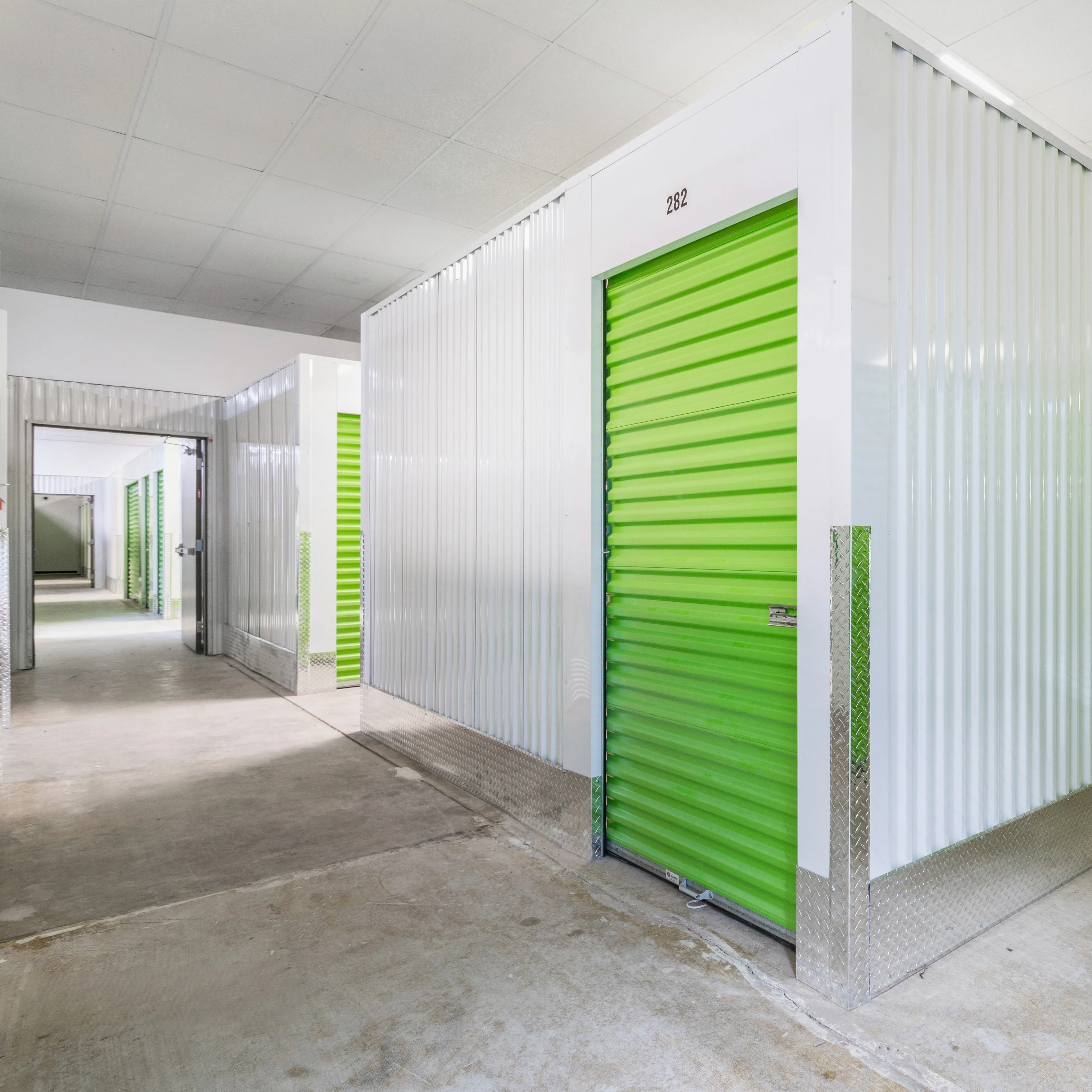
Climate Control: Climate-controlled units cost roughly 20–30% more than standard units. They maintain consistent temperature and humidity year-round, which matters for items sensitive to heat, cold, or moisture — electronics, wood furniture, documents, instruments, and artwork. For everything else, a standard unit is usually fine.
Demand and Availability: Facilities that are near capacity typically charge more. If you have flexibility on timing, renting during off-peak periods (late fall and winter) often means better pricing or stronger promotions.
Average Storage Unit Costs by Size
These are current national averages based on industry data. Actual prices at Bolt Storage vary by location — check your local site for current availability and rates.
| Unit Size | Typical Use | Estimated Cost |
|---|---|---|
| 5x5 | Boxes, seasonal items | $35–$55/month |
| 10x10 | 1–2 bedroom apartment | $50–$85/month |
| 10x15 | 2–3 bedroom home | $95–$175/month |
| 10x20 | Large home or business inventory | $120–$220/month |
| 10x30 | Whole home or business | Around $200/month |
Not sure which size you need? Our Storage Unit Sizes Guide shows exactly what fits in each unit — with real examples.
Climate-Controlled vs. Standard Storage: Which Do You Need?
Climate control adds to your monthly cost, so it's worth knowing when it's actually necessary.
You likely need climate control if you're storing: electronics, computers or TVs, wooden or antique furniture, musical instruments, artwork or photographs, important documents, wine, or clothing stored long-term.
Standard storage is usually fine for: metal tools and equipment, plastic items, exercise equipment, vehicles (in covered storage), patio furniture, and most household goods for short-term storage.
Learn more in our guide to climate-controlled self storage.
What Else Affects Your Total Cost?
Beyond the monthly rent, there are a few other costs worth knowing about before you sign.
Insurance: Most storage facilities require that your belongings are insured while in storage. This can often be covered by your existing homeowners or renters insurance policy — check with your provider first. If you need additional coverage, Bolt Storage offers tenant protection plans that cover theft, fire, and water damage.
Administrative or Setup Fees: Some facilities charge a one-time admin fee when you open an account — typically $20–$30.
Late Fees: If you miss a payment, most facilities charge a late fee and may restrict access to your unit. Setting up autopay is the easiest way to avoid this entirely.
Rate Increases: On month-to-month leases, facilities can raise rates with proper notice — typically 30 days. It's worth asking about rate history when you're comparing options.
How to Get the Best Price on a Storage Unit
A few straightforward ways to pay less:
Pick the right size: The most common mistake is renting too large a unit. Use a size guide or talk to the facility before committing. You can always upgrade if you need more space.
Look for move-in promotions: Most storage facilities — including Bolt Storage — run regular discounts, especially for first-time renters. Many Bolt locations run move-in specials for first-time renters, often up to 50% off depending on availability.
Compare a few facilities nearby: Prices can vary significantly even within the same city or zip code. A quick comparison before you decide often saves $20–$40/month.
Consider timing: Demand for storage peaks in summer (moving season). Renting in fall or winter often means better deals and more availability.
Is Storage Worth It?
For most situations, yes — but it's worth thinking through the math for long-term use. Renting a 10x10 unit at $100/month for two years costs $2,400. If the items you're storing are worth less than that, donating or selling them and skipping storage might make more financial sense.
Short-term storage during a move, renovation, or life transition is almost always worth it. Long-term storage of low-value items is where the costs can quietly add up.
Storage Pricing at Bolt Storage
Bolt Storage keeps rates affordable, with pricing that varies by location and unit size. All rentals are month-to-month — no long-term contracts. We regularly offer move-in specials at many locations, so check availability online before you call.
Find a Bolt Storage location near you and see current pricing and availability. If you have questions, call us at 866-300-2658 — a real person will answer.
Find Storage Units Near You Up To 50% Off
Discover nearby storage units with up to 50% off at Bolt Storage. Affordable solutions for your storage needs. Find convenience without the high cost.
PRICE MATCH GUARANTEE
We will beat any price in town

.webp)


.webp)